
Winterizing Your Home
As summer fades and the first real cold snap rolls in, your house starts sending you subtle little messages. A chilly draft sneaks under the back door. The furnace makes a noise that doesn’t quite sound right. And garden hose is still attached outside, quietly waiting to become a frozen disaster. In other words, winter is coming, and your home would really appreciate a little bit of attention. Winterizing your home is not just a seasonal chore … it’s one of the smartest ways to protect your property and cut energy costs. And it’s a good way to avoid those miserable mid-January emergencies that always seem to happen at the worst possible moment. A little effort in the fall can save you money, stress, and the unforgettable experience of googling “how to stop a pipe from bursting” while wearing three sweaters.
Start with Your Heating System
If your home had an MVP for winter, it would be your heating system. Before cold weather settles in, have your furnace, boiler, or heat pump inspected and serviced. A professional tune-up can catch worn parts, dirty burners, blocked airflow, or safety issues before they turn into expensive repairs. This is also the perfect time to replace your HVAC filter. A dirty filter makes your system work harder, which wastes energy and reduces airflow. It is a small task, but it can make a big difference in comfort and efficiency.
While you are at it, test your thermostat. If you have a programmable or smart thermostat, set it so the temperature drops slightly when you are asleep or out of the house. You will still stay comfortable, but you will not be paying to heat the living room like it is hosting a formal event while nobody is home.
Seal Up Drafts and Air Leaks
One of the quickest ways to lose heat in winter is through tiny gaps around your home. Windows, doors, attic openings, and even electrical outlets can let warm air slip out and cold air drift in. It may not seem like much, but those little leaks add up quickly. Walk around your home and check for drafts near windows and exterior doors. If you feel cold air, add caulk around frames and replace worn weatherstripping. Install door sweeps where needed. These fixes are usually inexpensive, easy to do, and surprisingly effective.
If your home still feels chilly no matter how high the heat is set, insulation may be part of the problem. Attics are especially important because heat rises, and without enough insulation, it escapes right through the roof. Adding insulation is not the most glamorous home project, but neither is overpaying to warm the outdoors.
Protect Your Pipes Before They Freeze
Frozen pipes are one of winter’s most common and costly problems. When water freezes, it expands, and that expansion can crack or burst pipes. Once things thaw out, you are left with leaks, water damage, and a repair bill that will definitely ruin your mood. To prevent this, insulate exposed pipes in unheated spaces such as basements, crawl spaces, attics, garages, or exterior walls. Foam pipe sleeves are affordable and simple to install. Disconnect garden hoses and drain outdoor faucets if your plumbing setup allows it. If you have shutoff valves for exterior spigots, turn them off before freezing weather arrives.
Inside, learn where your main water shutoff valve is located. That knowledge becomes extremely valuable if a pipe ever does burst. During severe cold, open cabinet doors under sinks on exterior walls so warm air can circulate around the plumbing. On especially bitter nights, letting faucets drip slightly can also help prevent freezing.
Check the Roof and Clean the Gutters
Your roof works hard all winter, and it deserves some attention before snow and ice show up. Inspect it from the ground for missing shingles, loose flashing, sagging spots, or anything else that looks suspicious. If you notice a problem, fix it early. A small roof issue in autumn can become a much bigger one after heavy snow, freezing rain, and repeated thawing.
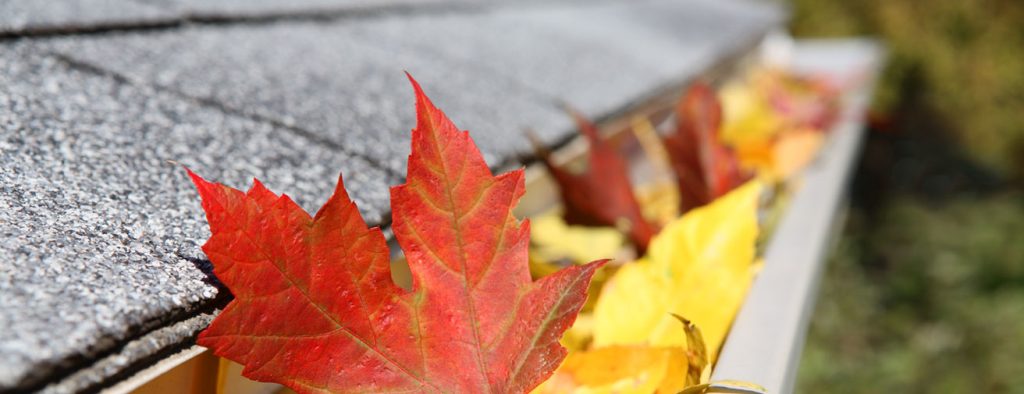
Gutters matter too. Clean out leaves, twigs, and debris so melting snow can flow away properly. When gutters are clogged, water backs up, freezes, and can form ice dams. Those ice dams may force water under your shingles and into your home. That is a very bad trade: one afternoon cleaning gutters in exchange for avoiding ceiling stains and attic leaks. Also trim back branches hanging over the roof. Snow and ice add weight, and weak limbs can snap during a storm.
Do the Small Safety Jobs That Matter
Some winter prep tasks are not flashy, but they are important. Test your smoke alarms and carbon monoxide detectors and replace batteries if needed. This matters even more in winter because furnaces, fireplaces, wood stoves, and generators are all in heavier use. If you have a fireplace or wood stove, have the chimney inspected and cleaned. Creosote buildup can become a fire hazard, and winter is not the season to take chances with open flames.
You can also reverse your ceiling fans if they have a winter setting. Running them clockwise at a low speed helps push warm air back down into the room. It is a small trick, but it can help rooms feel more comfortable without touching the thermostat. Outside, check walkways, handrails, and steps. Repair loose boards or wobbly railings before snow and ice arrive. Then stock up on essentials like ice melt, a sturdy shovel, and maybe some waterproof gloves that do not make you feel like you are trying to dig out the driveway with oven mitts.
Prepare for Winter Storms and Outages
Even a well-prepared home can still get hit by storms, so think ahead. Put together a basic emergency kit with flashlights, batteries, bottled water, blankets, shelf-stable food, medications, and portable phone chargers. If you own a generator, test it before winter and review safe operating rules. Never run it indoors or too close to windows or doors. It is also smart to label important shutoffs for water, gas, and electricity. In an emergency, clear labels save time and reduce panic.
Takeaway
Winterizing your home is really about getting ahead of problems while the weather is still on your side. It does not require perfection, and you do not need to tackle everything in one weekend. But each step you take makes your home warmer, safer, and more dependable when winter finally settles in.
A well-prepared house feels different. It holds heat better. It runs more efficiently. It gives you fewer unpleasant surprises. And when the wind is howling outside and the temperature drops overnight, you get to enjoy the season from a cozy, protected space instead of dealing with frozen pipes, cold drafts, or a furnace that picked the worst possible time to give up. Put in the effort now, and your home will thank you all winter long. Maybe not out loud. But definitely in lower bills, fewer repairs, and a lot more comfort. Let’s make sure your house is nice and cozy this winter – contact Hands Inc. for a free consultation today.