
Designing Your Dream Home
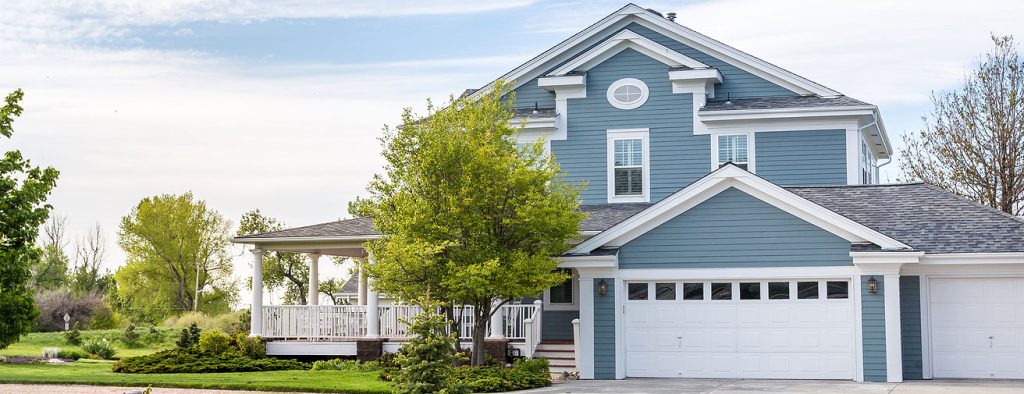
Designing your dream home is one of life’s great adventures … it’s thrilling, terrifying, and deeply personal. You’re not just picking out tile samples and arguing about closet space (just wait, there will be plenty of that). You’re creating the backdrop for years of mornings, meals, celebrations, and quiet evenings. The decisions you make now will shape how you live for years to come. Yes, designing your dream house is exciting. It’s also a lot of pressure. So let’s break down the process into manageable pieces, helping you move from vague Pinterest boards to a home that actually fits your life.
Start with How You Live, Not How It Looks
Here’s where first-time builders often stumble: they fall in love with a look before actually thinking through the logistics. That soaring double-height living room looks stunning in photos, but will you enjoy heating it in January? The all-white kitchen is gorgeous until you’re scrubbing tomato sauce off grout at 10 p.m.
Before you browse floor plans or meet with architects, spend a week paying close attention to your current routines. Where do you drop your keys? Where does clutter accumulate? Do you cook elaborate meals or mostly reheat takeout? Do you work from home and need a quiet, dedicated space? Does your family congregate in the kitchen or scatter to separate rooms? These patterns reveal what you actually need, not what looks good in a magazine. Design around your real life, and the aesthetics will follow.
Get Your Priorities Straight (Literally)
Budgets have a way of forcing uncomfortable choices. You probably can’t have the chef’s kitchen and the spa bathroom and the three-car garage and the outdoor fireplace. Knowing your non-negotiables upfront prevents heartbreak later.
Sit down, ideally with anyone who’ll share the home, and rank your priorities. It may be that natural light is sacred to you, and you’re willing to sacrifice square footage to get bigger windows. Maybe you’d rather have one beautifully finished bathroom than two mediocre ones. And maybe you want a mudroom with built-in storage is essential because you have three kids, two dogs, and one messy spouse.
Write these priorities down and revisit them throughout the process. When your builder asks if you want to upgrade to quartz countertops, you’ll have a framework for deciding whether that aligns with what matters most.
Think in Decades, Not Trends
The home you’re designing needs to serve you not just next year, but in ten or twenty years. That means resisting the siren call of hyper-trendy choices that’ll feel dated before your mortgage is paid off. This doesn’t mean your home should be boring. It means anchoring the permanent, expensive elements (such as cabinets, flooring, tile, & trim) in classic choices with staying power. At the same time, you can express your personality through things that are easier to change: paint colors, light fixtures, furniture, and accessories.
Think about future flexibility too. As the years go by that third bedroom might become a nursery, then a home office, then a guest room, then a mother-in-law suite. Design spaces that can adapt. Wiring for future technology, reinforcing walls for potential shelving, and roughing in plumbing for a basement bathroom are all relatively cheap during construction and expensive to retrofit later.
Flow Matters More Than You Think
A house can have beautiful individual rooms but still feel awkward if the flow between them doesn’t make sense. Flow is how you move through the space: from the garage to the kitchen with groceries, from the back door to the laundry with muddy clothes, from the bedroom to the bathroom at 2 a.m.
Study your floor plan with everyday scenarios in mind. Where will guests enter, and what will they see first? Can you get from the stove to the dining table without navigating an obstacle course? Is there a clear path from kids’ bedrooms to bathrooms they’ll share? Can you bring in furniture without disassembling it?
Great flow feels invisible; you only notice it when it’s wrong. Walk through the plan mentally (or physically, if you can tape out the footprint in an empty lot) and simulate real life. It may seem silly, but you’ll catch problems the drawings don’t reveal.
Storage Is Not Optional
Repeat after me: you cannot have too much storage. Future you will never regret that extra closet, those deeper kitchen cabinets, or that built-in bench with hidden compartments. Life accumulates stuff, stuff, & more stuff and homes without adequate storage become homes full of visible clutter.
Plan storage into every room. Coat closets near entries. Linen closets near bathrooms. Pantry space in or near the kitchen. Garage shelving or a dedicated utility room. Built-in bookshelves if you’re a reader. The goal is a home for every item so that “tidying up” means putting things away, not just moving piles around.
Build a Team You Trust
You’ll spend months working with architects, builders, and contractors. These relationships matter enormously. A skilled builder who communicates poorly will make the process miserable. A responsive, honest team transforms an overwhelming project into a collaborative one. Interview multiple candidates. Ask for references and actually call them. Visit completed projects if possible. Pay attention to how they answer questions, whether they listen to your concerns, and whether they explain trade-offs clearly. You want partners who’ll tell you when your ideas won’t work, and offer better alternatives.
The Takeaway
Designing your dream home isn’t about perfection; it’s about intention. The most successful first-time builders aren’t the ones with the biggest budgets. Rather they’re the ones who understand how they want to live and make deliberate choices that support that vision. Start with your real routines, prioritize ruthlessly, think long-term, respect flow and storage, and surround yourself with people who share your commitment to getting it right. Do that, and you won’t just build a house. You’ll build a home that fits like it was made for you … because it was. Contact Hands Inc. today for a free consultation and let us help you build your dream home!