
Increase Your Homes Value
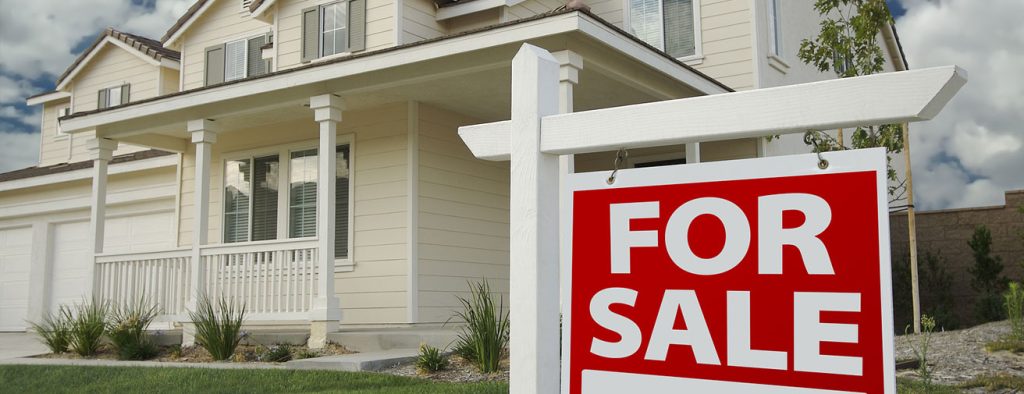
Are you planning to sell your home next year or just want to build equity for the future? Well, increasing your home’s value is one of the smartest financial moves you can make. The good news? You don’t need a six-figure renovation budget or a construction crew camped in your driveway for months. Some of the most effective improvements are surprisingly affordable, and a few cost nothing but a weekend of effort. Let’s walk through the strategies that actually move the needle – what buyers want, what appraisers notice, and what real estate professionals see working in today’s market.
Start with Curb Appeal (First Impressions Are Everything)
Here’s a truth that stings a little: buyers often make up their minds before they step through the front door. That first glimpse from the curb sets the emotional tone for the entire showing. A neglected exterior whispers, “What else has been ignored?“
The fixes here are often cheap and fast. Power-wash the driveway, siding, and walkways. It’s astonishing how much grime accumulates invisibly over the years. Repaint or replace a tired front door (bold colors like navy, black, or even a cheerful red consistently photograph well and signal confidence). Update house numbers, add a new mailbox, and swap outdated exterior light fixtures for something clean and modern.
Landscaping doesn’t require a botany degree. Trim overgrown bushes, edge the lawn crisply, lay fresh mulch in the beds, and add a few seasonal flowers near the entrance. These tweaks might cost a few hundred dollars total, but they can add thousands in perceived value, and they make your home the one buyers remember after a long day of showings.
Kitchens and Bathrooms: The Heavy Hitters
Real estate agents love to say kitchens and bathrooms sell houses, and the data backs them up. These rooms carry disproportionate weight in appraisals and buyer decisions. Fortunately, you don’t need a total renovation to see returns.
In the kitchen, consider refinishing or painting existing cabinets rather than replacing them. A creamy white or warm gray can transform dark, dated wood almost overnight. Swap out old hardware for brushed nickel or matte black pulls; it’s a $100 project that looks like a $10,000 upgrade. If your countertops are worn laminate, consider butcher block or quartz-look as alternatives which offer dramatic improvement without the premium price of natural stone. And never underestimate new lighting: a modern pendant over the island or under-cabinet LEDs make the space feel brighter, bigger, and more expensive.
Bathrooms respond beautifully to small interventions too. Regrouting tile, replacing a builder-grade mirror with a framed version, adding a rainfall showerhead, and upgrading to a soft-close toilet seat. These details make a huge difference. If the vanity is hopeless, a new one from a home improvement store can be installed in an afternoon and instantly modernize the room.
Energy Efficiency: The Upgrade Buyers Actually Ask About
Today’s buyers aren’t just thinking about aesthetics. They’re also calculating utility bills. Energy-efficient improvements deliver a double benefit: they reduce your costs while you live there, and they become genuine selling points later. Start with the unsexy stuff. Adding insulation in the attic, sealing drafty windows, and weatherstripping doors can slash heating and cooling expenses noticeably. Programmable or smart thermostats are inexpensive and universally appealing. If your water heater or HVAC system is limping toward retirement, replacing it proactively removes a negotiation headache and reassures buyers they won’t face a surprise expense in year one.
Depending on your location, solar panels, tankless water heaters, or Energy Star appliances may qualify for tax credits or rebates. Which makes the investment even more attractive. And yes, buyers notice. “Low utility bills” has become a legitimate bragging right in listings.
Don’t Ignore the Boring Stuff
Glamorous upgrades get the attention, but fundamental maintenance often matters more to appraisers and inspectors. A stunning kitchen loses its luster if the roof is leaking or the electrical panel is a relic from the disco era. Before listing your home, or even before a refinance appraisal, address deferred maintenance. Fix that slow drain, repair cracked grout, replace missing shingles, and service the HVAC system. These aren’t exciting Instagram projects, but they prevent price reductions during negotiations and help your home appraise at full value.
Create Usable Space (Without Adding Square Footage)
Finished square footage drives value, but you may already have untapped potential. A cluttered basement, an awkward bonus room, or a dark garage can become a home office, gym, guest suite, or media room with some intentional effort.
You don’t always need permits and contractors. Sometimes it’s as simple as adding proper lighting, laying interlocking floor tiles, and furnishing the space to show its function clearly. Buyers struggle to imagine possibilities; show them instead.
The Takeaway
Increasing your home’s value isn’t about one dramatic transformation. Rather it’s about layering smart, strategic improvements that compound over time. Prioritize curb appeal, invest thoughtfully in kitchens and bathrooms, embrace energy efficiency, stay current on maintenance, and maximize the space you already have. And the best part? Many of these projects improve your daily life right now, long before any buyer ever walks through the door. You get to enjoy the upgrades and cash in on them later. That’s the rare win-win that makes homeownership genuinely rewarding. Contact Hands Inc. today for a free consultation & let us help you increase your home’s value!