
Why Radiant Heat?
Imagine this. It’s a dark January morning. It’s bitterly cold outside. And the wind is howling. You have to get out of bed, and you’re dreading it. But instead of that usual jolt from the cold hardwood floor, your feet are met with a soft, welcoming warmth. If you’ve ever experienced radiant floor heating, maybe at a friend’s house or a fancy hotel bathroom, you know the feeling. It’s the kind of comfort that makes you wonder why anyone heats their home any other way.
But here’s the thing: radiant heat isn’t for everyone. It’s a significant investment, and whether it makes sense for your home depends on factors ranging from your floor type to your patience level during installation. So let’s walk through what radiant heating actually is, where it shines, where it stumbles, and how to figure out if it belongs in your life.
What Exactly Is Radiant Heat?
Unlike forced-air systems that blow heated air through ducts (and all the dust, allergens, and uneven temperatures that come with it), radiant heating literally warms your home from the ground up. Heat radiates from the floor surface, warming objects and people directly rather than heating the air first.
There Are Two Main Types of Radiant Heat:
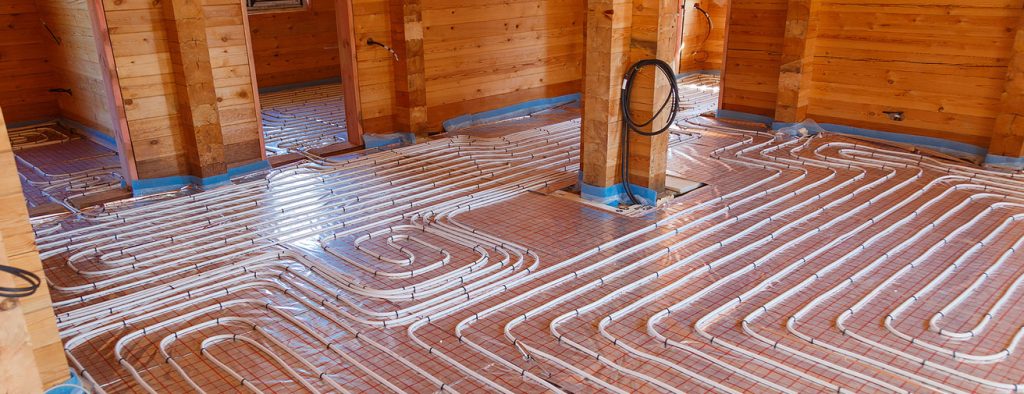
Hydronic (water-based) systems circulate warm water through tubing installed beneath your floor. These are the heavy hitters. Yes. they are more expensive to install but remarkably efficient for whole-home heating. They’re the gold standard for new construction or major renovations.
Electric radiant systems use heating cables or mats installed under the flooring. They’re simpler to install, especially for single rooms, but cost more to operate. Think of these as the “retrofit a bathroom” option rather than the “heat your entire house” solution.
Both deliver the same delicious result: warm floors, even heat distribution, and the absence of that furnace-kicking-on sound you’ve grown to tolerate.
The Genuine Advantages
Comfort that’s hard to overstate. Radiant heat doesn’t just warm a room. It transforms how the room feels. No cold spots by the windows. No blasts of hot air followed by chilly lulls. Just steady, enveloping warmth that starts at your feet and rises naturally. There’s a reason heated floors consistently rank as one of the most satisfying home upgrades in owner surveys.
Silence. Your forced-air system has opinions, and it shares them loudly at 3 a.m. Radiant systems operate in near-complete silence. No whooshing, no clicking, no mysterious ductwork noises that make you question your home’s structural integrity.
Better air quality. Without ducts pushing air around, you’re not constantly recirculating dust, pet dander, and whatever else has accumulated in your vents since the early 1980’s. For allergy sufferers, this is a meaningful benefit.
Energy efficiency (with caveats). Hydronic systems can be 25-30% more efficient than forced-air heating, especially in well-insulated homes. The lower water temperatures required (compared to traditional radiators) pair beautifully with heat pumps and solar thermal systems. Electric systems, however, can get expensive if you’re heating large areas or live somewhere with high electricity rates.
Design freedom. No radiators hogging wall space. No floor vents that become graveyards for LEGO pieces and dog hair. Just clean, uninterrupted rooms where furniture can go anywhere.
The Real Drawbacks
Installation is not a weekend project. Hydronic systems require tearing up floors and running tubing throughout your home. We’re talking weeks of work and a house that temporarily resembles a construction zone. Even electric mats, while simpler, mean pulling up existing flooring. This is renovation territory, not a casual upgrade.
Upfront costs are substantial. Expect to pay $10-20 per square foot for hydronic installation, depending on your region and complexity. Electric systems run $8-15 per square foot. For a 2,000-square-foot home, you’re looking at a significant five-figure investment for hydronic—though operating costs over time can offset this.
Slow response time. Radiant floors take hours to change temperature, not minutes. You can’t crank the heat when you walk in from work and expect immediate results. These systems reward consistency and programmable thermostats, not impulsive temperature adjustments.
Floor covering matters. Tile and stone are ideal—they conduct heat beautifully. Engineered hardwood works well. But thick carpet or solid hardwood can insulate against the heat you’re paying to generate, reducing efficiency and comfort. If you’re deeply committed to plush wall-to-wall carpeting, radiant heat may frustrate you.
Repairs can be complicated. If a hydronic tube develops a leak under your tile floor, you’re not dealing with a simple fix. Modern systems are reliable, but when problems occur, they’re more involved than swapping a furnace filter.
Who Should Seriously Consider It?
Radiant heat makes the most sense if you’re building new or doing a gut renovation where floors are already coming up. It’s ideal for tile-heavy spaces like bathrooms, kitchens, and mudrooms where cold floors are especially unwelcome. Homeowners in cold climates who prioritize comfort over minimal upfront cost will find the investment worthwhile. And if you’re pairing with a heat pump or solar system, hydronic radiant is an excellent match.
The Bottom Line
Radiant heat delivers a quality of comfort that forced-air systems simply can’t match. But it’s a commitment: financially, logistically, and in terms of the flooring choices you’ll live with. If you’re building from scratch, renovating extensively, or upgrading a bathroom where warm tiles would genuinely improve your mornings, radiant heat is worth every penny. If you’re hoping for a quick, inexpensive fix to an aging furnace, look elsewhere. But for the right home, radiant is absolutely worth it. Contact Hands Inc. today for a free consultation today – your feet will appreciate it this coming winter!