
Structural Repair
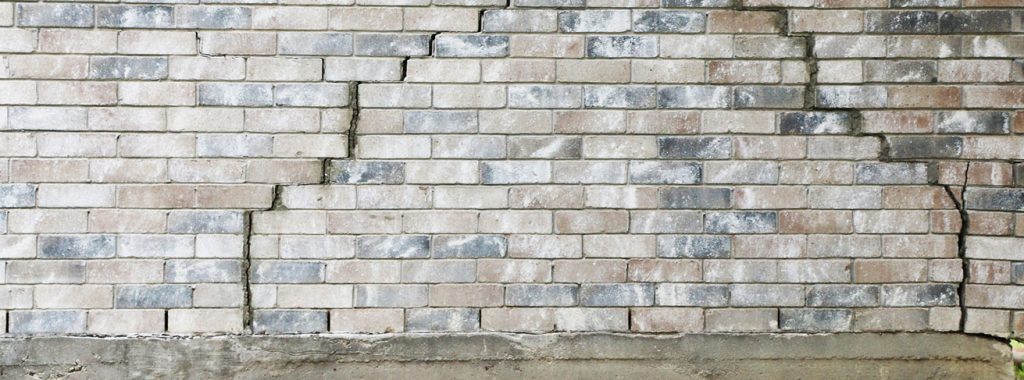
Here’s a fun little thought experiment. Picture your commercial building as a person. The roof is its hat, the paint is its outfit, the signage is its jewelry, and the interior finishes are its personality. But the structure? The structure is its bones. And just like bones, you don’t really think about them until something starts cracking, sagging, or making noises it’s not supposed to make. Commercial structural repair is the work of diagnosing, reinforcing, and fixing the load-bearing elements of your building. The foundation, support columns, load-bearing walls, beams, trusses, joists, and other skeletal components that keep the whole operation from becoming an unscheduled demolition. This isn’t cosmetic work. This is the stuff that determines whether your building stays a building or slowly becomes a very expensive pile of materials. It involves underpinning foundations, sistering damaged joists, replacing compromised beams, installing steel reinforcements, addressing settling issues, repairing masonry cracks that have progressed beyond “cosmetic,” and correcting the kind of water damage that’s been quietly eating structural members for years.
The tricky part about structural problems is that they’re sneaky. A hairline crack in a foundation wall might be nothing, or it might be the first warning sign of serious settling. A slightly bouncy floor might just be an older building showing its age, or it might be a joist that’s been compromised by termites, moisture, or a previous renovation where somebody got a little too enthusiastic with a reciprocating saw. Doors that suddenly don’t close right, windows that stick when they used to slide easy, cracks in drywall that keep reappearing no matter how many times you patch them, gaps opening up between walls and ceilings — these are all your building trying to tell you something. Most business owners learn to tune out these little signals because life gets busy and, hey, the building’s still standing, isn’t it? And that’s true right up until the moment it isn’t. Structural issues don’t improve with time. They get worse, they get more expensive, and they get more dangerous. Catching them early is the difference between a manageable repair and a catastrophic one.
How Structural Issues Quietly Wreck Your Business
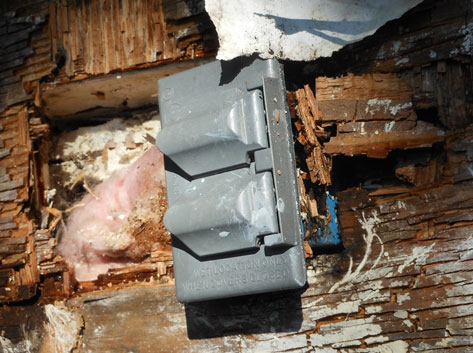
Let’s talk about what structural problems actually do to your operation, because this is where things get real. First, there’s the obvious stuff: safety. A compromised structure puts your employees, customers, and inventory at risk, and if something goes wrong, the liability consequences are the kind that keep business owners awake at 3 am staring at the ceiling. But even before anything dramatic happens, structural issues start bleeding your business in subtle ways. Your HVAC works harder because gaps are forming where they shouldn’t. Your energy bills creep up without explanation. Your finishes crack and need constant patching. Your tenants start complaining. Your insurance premiums climb. Your property value drops. That last one is a gut punch, because commercial real estate is one of the biggest assets most business owners have, and structural issues can shave serious percentages off the appraised value overnight.
Then there’s the inspection and compliance angle, which is where a lot of businesses get ambushed. Commercial buildings are subject to periodic inspections, and structural concerns are the kind of thing that can shut you down, delay a sale, kill a lease deal, or trigger expensive mandatory repairs on a timeline you didn’t choose. If you’re planning to renovate, expand, or change the use of a space, any structural issues have to be addressed before the new work can move forward. We’ve seen business owners get all the way to the end of a remodel planning process only to discover that the load-bearing wall they wanted to remove isn’t quite as healthy as it looks, or that the addition they’re planning will put too much weight on a foundation that’s already struggling. Dealing with structural problems proactively is almost always cheaper, faster, and less disruptive than dealing with them reactively. Buildings, like people, respond much better to preventive care than to emergency intervention.
Why Hands Inc. Is Who You Want In Your Corner
Structural repair is not a place to experiment with low-bid contractors or that one handyman who “has done some of that kind of work before.” This is a specialty that demands experience, judgment, proper engineering collaboration, and the kind of instinct that only comes from having seen a few hundred buildings misbehave over the years. Thirty years of commercial work across Albemarle, Augusta, and Nelson counties has given us exactly that kind of instinct. We’ve repaired foundations on historic buildings in downtown districts, shored up warehouse structures after decades of heavy use, sistered joists in older commercial spaces, addressed settling issues in buildings sitting on Virginia’s sometimes unpredictable clay soils, and collaborated with structural engineers on projects that required serious calculations before a single nail went in. We know how to read a building, how to tell the difference between cosmetic and critical, and how to fix problems in ways that actually address the root cause instead of just covering it up for the next owner to discover.
What you get with Hands Inc. is straight talk, thorough investigation, and workmanship that respects the gravity of the job. We’ll tell you what’s actually wrong, what it’ll take to fix it, and what it’ll cost. No alarmist upsells, no mystery charges, no waving our arms and saying “it’s complicated.” We coordinate with engineers when the job requires it, pull the proper permits, follow the proper codes, and document everything so you’ve got a paper trail for your insurance company, your lender, and any future buyer who asks the right questions.
If your building is sending you signals, or you just want a knowledgeable eye to tell you whether those cracks mean something, give us a call. We’ll take a look, tell you the truth, and if repairs are needed, we’ll get them done right.