


Remember this when designing your dream home

Preparing your home for cold weather not only keeps you warm and comfortable, but also protects your property from damage and helps reduce energy bills. By taking proactive steps before the first frost, you’ll minimize heat loss, prevent ice dams, and avoid costly emergency repairs. This report outlines ten practical, actionable tips that any homeowner can implement to ensure a cozy, efficient winter season.
1. Conduct a Home Energy Audit
A professional or DIY energy audit pinpoints areas where heat is escaping. Walk through your house with a thermal camera or simply feel for drafts around windows, doors, and outlets. An audit reveals insulation gaps, air leaks, and inefficient appliances, allowing you to prioritize the most impactful fixes.
2. Upgrade Attic and Wall Insulation
Heat rises, so inadequate attic insulation can account for up to 25% of heat loss. Aim for at least R-38 in colder climates by adding fiberglass batts, blown-in cellulose, or spray foam. Don’t forget to insulate knee walls and any bonus rooms above unheated garages for a uniform thermal barrier.
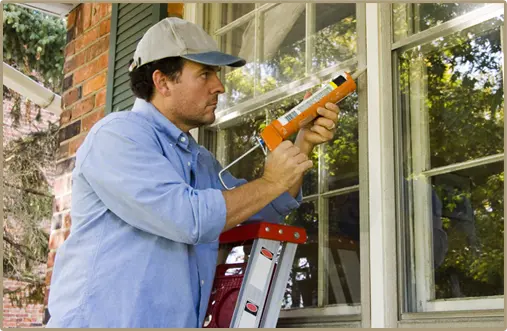
3. Seal Air Leaks Around Doors and Windows
Weatherstripping and caulking are low-cost, high-return measures. Install door sweeps to block drafts at the bottom of exterior doors, and apply silicone or latex caulk around window frames. Replace worn-out foam gaskets behind outlet covers on exterior walls to
eliminate hidden drafts.
4. Service and Maintain Your Heating System
Have your furnace or boiler inspected by a licensed technician before winter. Replace air filters every 1–3 months to improve airflow and efficiency. If you use a heat pump, clean the outdoor unit and check refrigerant levels to avoid performance drops on chilly days.
5. Insulate Pipes and Protect Outdoor Faucets
Frozen pipes can burst at temperatures below 20°F. Wrap exposed interior pipes with foam sleeves or heat tape, and drain garden hoses and shut off exterior faucets. Installing frost proof sillcocks prevents water from freezing in the line between your house & spigot
6. Reverse Ceiling Fan Direction
Most ceiling fans have a switch to reverse blade rotation. In winter, blades should turn clockwise at a low speed to gently push warm air down from the ceiling. This circulation increases perceived room temperature, letting you dial back the thermostat by a few degrees.
7. Install a Programmable or Smart Thermostat
A programmable thermostat lets you automatically lower temperatures at night or when you’re away, reducing wasted energy. Smart models adapt to your routine and can be controlled remotely via smartphone. Even a 7–10°F setback for eight hours a day can trim heating costs by 10–15%.
8. Clean Gutters and Inspect Roof
Clogged gutters trap melting snow and lead to ice dams, which can lift shingles and cause leaks. Remove leaves and debris, then flush gutters with water to confirm proper flow. While on the roof, look for damaged shingles, cracked flashing, and signs of mold or rot.
9. Test Smoke and Carbon Monoxide Detectors
Heating systems and fireplaces pose fire and carbon monoxide risks. Replace batteries in all detectors and vacuum away dust to ensure sensitivity. Consider installing a combination smoke/CO alarm near each bedroom and check expiration dates—most units need replacement every 7–10 years.
10. Prepare Landscaping and Exterior Structures
Trim tree limbs that hang over your roof or driveway to prevent ice-laden branches from snapping. Surround foundation plants with a layer of mulch to guard against freeze–thaw cycles. Store or securely tie down patio furniture, grills, and seasonal décor to keep them safe during winter storms.
Conclusion
Winterizing your home is an investment in comfort, safety, and cost savings. By following these ten tips, you’ll create a resilient, energy-efficient living space that weathers the coldest months with ease. A well-prepared home not only reduces utility bills but also preserves the integrity of your property for years to come.
Beyond these essentials, consider developing an annual maintenance calendar that schedules seasonal home maintenance tasks. You might also explore government rebates for energy-saving upgrades like heat pumps or solar panels. And for a truly hands-off approach, sign-up for our free monthly newsletter. With this free service you’ll receive seasonal reminders when each home maintenance task is due. With these strategies, staying comfortable and worry-free all season is within every homeowner’s reach.